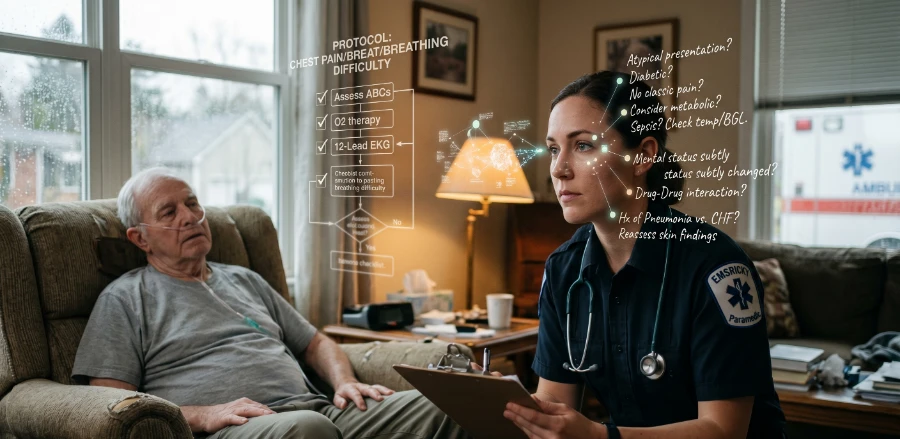
EMS training has started to look different because the daily life of EMS students has changed. In Florida, many future EMTs, paramedics, and working providers need education that fits around shifts, commutes, family responsibilities, and certification timelines. The direction of EMS education now points toward shorter digital lessons, hybrid coursework, scheduled skills days, simulation, and stronger competency documentation. The important detail, especially for anyone comparing EMS courses, remains simple: flexible training does not remove the need for hands-on readiness.
Flexible EMS Training Still Needs Real Skill Verification
Hybrid coursework and short digital lessons can make EMS education easier to manage, but students still need hands-on preparation. EMS Ricky’s EMT program gives future providers a practical starting point when they want structured training that connects coursework with field readiness.
- Online lessons can support knowledge review before in-person practice.
- Skills days help instructors verify assessment, communication, and technique.
- Course planning should account for attendance, documentation, and certification steps.
Why EMS Education Is Becoming More Flexible
EMS students rarely enter training with unlimited time and a predictable weekly schedule. Some already work in public safety, private ambulance transport, healthcare, or another shift-based job. Others try to begin EMT training while managing school, family, or long drives to a training location. Hybrid formats matter because they can reduce unnecessary friction without turning EMS education into screen-only learning.
The CoAEMSP distance education FAQ defines hybrid or blended education as instruction delivered through a combination of onsite and distance education methods. That definition matters for students who see the word “hybrid” and wonder what it means in practice. A serious hybrid model may place lectures, readings, discussions, and review activities online, then reserve in-person time for psychomotor skills, simulation, instructor feedback, and competency checks. The model works best when students understand exactly which parts happen online and which parts require attendance.
EMS Ricky in Fort Myers, Florida stays current on developments in EMS education because course expectations, exam formats, and training delivery continue to evolve. Students should look past broad labels like “online” or “hybrid” and ask how a course teaches knowledge, verifies skill performance, and supports certification readiness. A flexible schedule helps only when the program still protects the parts of EMS training that require direct observation. The strongest future model gives students access without watering down field preparation.
Compare Format, Skills Time, and Certification Support
Students considering advanced EMS education should look for more than flexible scheduling. EMS Ricky’s paramedic courses page can help EMTs review the next training step when career advancement requires stronger clinical decision-making and documented competence.
What Microlearning Means in EMS Training
Short lessons with a clear purpose
Microlearning refers to short, focused learning units that cover one concept, one skill, or one decision point. In EMS education, that could mean a medication calculation drill, an airway equipment review, a trauma triage prompt, an ECG rhythm exercise, or a short patient-assessment scenario. The value comes from focus, not from making education feel casual. A short lesson should help students practice something specific before they apply it in lab, simulation, or exam preparation.
A JMIR Medical Education scoping review found positive effects from microlearning in health professions education, including gains in learner knowledge and confidence. The review also connected microlearning with knowledge retention, procedure-related learning, studying, and collaborative learning. That supports microlearning as a useful reinforcement tool for EMS students. The same source does not support treating short lessons as a full replacement for instructor-led skills practice or patient-care simulations.
Where microlearning helps EMS students most
Short-form learning fits EMS education when students need repetition. A future EMT might use a five-minute review before airway lab, then return to that same material after instructor feedback reveals a weak step. A paramedic student might use a brief rhythm-identification drill between longer cardiology sessions. A working provider may use short review blocks during recertification preparation when a full classroom day does not fit the week.
The safest way to use microlearning involves linking it to a larger course structure. Students can preview material before class, reinforce it after lecture, and revisit weak areas before skills evaluation. Random clips or isolated quizzes can create false confidence when nobody checks performance. EMS education still needs instructors who can watch technique, ask why a student chose a treatment path, and correct mistakes before they become habits.
Hybrid Classroom Work and Skills Days
What can move online
Online coursework can handle selected didactic material well. Students may complete assigned readings, recorded lectures, live virtual discussions, quizzes, case reviews, and knowledge checks outside a physical classroom. Hybrid delivery can include real-time instructor interaction or course content students access at different times. That flexibility helps students who need a more realistic way to manage training around work.
The online portion should still feel structured. Students need deadlines, instructor access, clear expectations, and a direct connection between coursework and lab performance. A recorded lecture on oxygenation, for example, should prepare the student for BVM practice rather than stand alone as passive content. The student’s real test comes later, when an instructor can observe hand placement, seal, rate, chest rise, and reassessment.
What must remain hands-on
AEMT and Paramedic training still require skill practice, competency evaluation, and simulations, so students should not expect those programs to function as fully online pathways. That point protects students from misleading expectations. EMS requires physical skills, scene communication, assessment sequencing, and decision-making under pressure. Those abilities do not develop through online modules alone.
Skills days should include patient assessment practice, airway and oxygenation stations, bleeding control, trauma and medical scenarios, handoff practice, and team communication. The best lab sessions do more than run students through checklists. Instructors should watch performance, ask clinical reasoning questions, correct unsafe habits, and document progress. Hybrid students need to arrive prepared because in-person time should focus on doing, correcting, and proving readiness.
Adult Learning Science and EMS Retention
Why spacing beats cramming
EMS students must retain anatomy, physiology, pathophysiology, assessment logic, operations, pharmacology, documentation, communication, and safety procedures. One long lecture rarely creates durable recall across all those areas. A student may understand a topic during class and still struggle later when a scenario adds stress, noise, time pressure, or multiple competing priorities. Repeated contact with key concepts gives students more chances to catch weak areas before they reach a skills check.
A practical learning rhythm should return students to important material more than once. A concept introduced online can return in class, appear in a short drill, show up during lab, and then reappear during simulation. That repeated exposure matters because EMS students must use knowledge while also communicating, moving equipment, watching safety, and reassessing a patient. The classroom explanation only starts the process.
A better rhythm for working learners
Working providers often study under imperfect conditions. A learner may finish a shift, sleep irregular hours, or prepare for class around family obligations. Smaller repeated blocks can make training more manageable than occasional marathon sessions. The benefit comes from planned repetition, not from simply making content shorter.
A practical EMS learning cycle could start with online prework, continue with instructor explanation, move into short recall drills, and then shift into skills-day performance. Simulation can test whether the student can apply the concept when the situation changes. Follow-up quizzes can expose weak areas before exam day. This rhythm respects the reality of adult learners while still demanding active preparation.
Skills-Based Certification and Competency Documentation
What changed for AEMT and Paramedic candidates
Certification has also moved toward better documentation of competence. The National Registry notice on ALS psychomotor changes stated that new AEMT and Paramedic Certification Examinations and Student Minimum Competency requirements began with the updated pathway. AEMT and Paramedic candidates moved to the new certification examinations on July 1, 2024. The last ALS psychomotor examination date was June 30, 2024.
That change does not mean hands-on skills matter less. It points toward a different way of proving readiness. Instead of relying on a single psychomotor testing event, the Student Minimum Competency model focuses on documented skill progression across time. NREMT described that approach as capturing psychomotor skills and other competencies over a longer period, in varied settings, and with multiple evaluators.
What EMT students should know
EMT students should also expect certification preparation to involve both knowledge testing and practical skill expectations. Course completion alone does not remove the need to understand the current testing pathway, state requirements, and competency expectations. That distinction matters for students comparing EMT and Paramedic pathways. A program should explain how classroom learning, lab work, skills evaluation, and certification preparation fit together.
Students should ask how a course prepares them for current exam formats and practical expectations. A good answer should include skills practice, knowledge review, competency documentation, remediation options, and realistic assessment scenarios. Students also need to know who evaluates them and how feedback works after a weak performance. Certification preparation should connect classroom knowledge with the kind of judgment EMS providers need on actual calls.
Before Choosing a Hybrid EMS Course
A flexible course format should make training manageable without hiding the work students must complete. The safest review starts with requirements, skills expectations, and how the course documents readiness.
- Confirm which lessons happen online and which sessions require attendance.
- Ask how skills practice, simulation, remediation, and evaluation work.
- Review compliance items before the first deadline creates pressure.
Students comparing requirements can use EMS Ricky’s EMT compliance requirements page to understand how preparation extends beyond coursework alone.
Simulation and Scenario Judgment
EMS students need decision practice
Real EMS calls rarely unfold like clean textbook examples. Patients may give incomplete histories, family members may interrupt, scenes may change, and vital signs may move in the wrong direction. A provider must decide what matters first, what to reassess, when to request help, and how to communicate the plan. Scenario training helps students practice that judgment before they face it in the field.
Scenario work can test more than memorized treatment steps. A course can use realistic cases to evaluate assessment flow, communication, safety awareness, and treatment priorities. Students should learn to explain what they noticed, why they chose an action, and what would make them change course. That kind of practice helps move knowledge from a lecture into a real patient-care mindset.
Realism does not always require expensive equipment
Simulation should feel purposeful rather than theatrical. A realistic simulation may use a mannequin, actor, structured scenario, or carefully designed case discussion. What matters most is whether the student must assess, decide, act, communicate, and reassess. Expensive equipment can help, but it does not replace thoughtful scenario design and instructor feedback.
Good instructors also debrief the scenario so students understand why a decision helped or harmed the call flow. A student may need to revisit an assessment step, improve communication, or recognize a changing condition sooner. The debrief turns simulation into learning instead of performance alone. That process matters because EMS mistakes often begin with missed cues, not missing information.
Accessibility for Florida Students and Working Providers
Flexible EMS education matters because access is often practical, not theoretical. A Florida learner may live far from a training site, work rotating shifts, depend on childcare, or need to keep earning income while preparing for certification. Hybrid coursework can reduce travel demands for selected didactic content. Virtual instruction and asynchronous assignments can also help students stay engaged between in-person sessions.
Access still has limits. Online coursework requires reliable internet, a usable device, enough quiet time, and the self-discipline to complete work before lab. Students who do not have ideal study conditions may need to plan more carefully around assignments and skills sessions. Programs should make expectations clear so learners know the time, equipment, and attendance commitments before enrolling.
Continuing education follows a similar direction. Working EMTs and paramedics often need refresher training, recertification preparation, or topic-specific review while managing shifts and family schedules. Online courses, live instruction, and virtual instructor-led refreshers can support that need when the content stays organized and relevant. Flexible formats can help providers maintain credentials, but the learning still needs structure and accountability.
How to Evaluate an EMS Course Before Enrolling
Questions about format and attendance
Students should ask exactly which course hours happen online and which sessions require in-person attendance. They should also ask whether online sessions happen live, whether recordings count, and how far ahead skills days appear on the schedule. A hybrid course can still require strict attendance for labs, simulations, clinical preparation, or final competency checks. Clear scheduling helps students avoid conflicts they cannot fix later.
Course descriptions should also explain what happens after missed work. A working student needs to know whether makeup options exist and whether a missed lab delays completion. Programs should clarify required documents, deadlines, prerequisites, and any certification-related steps. These details often matter as much as the headline course format.
Questions about skills and support
Students should ask how instructors document skills, who evaluates performance, and how remediation works after a failed station or weak scenario. They should also ask how the course connects online content to in-person practice. A strong answer will describe more than lectures and quizzes. It will explain assessment practice, instructor feedback, simulation, and preparation for current certification requirements.
Support matters for adult learners. Students may need help with pacing, exam readiness, application steps, or understanding the difference between course completion and certification testing. A course that looks convenient on paper may feel difficult if communication is weak. The best fit usually combines flexible access with clear accountability.
The Direction of EMS Education Is Clear
EMS education is not becoming easier, and it is not becoming fully remote. It is becoming more deliberate about where each type of learning belongs. Short lessons can reinforce knowledge, hybrid coursework can improve access, skills days can verify performance, simulation can build judgment, and competency documentation can show progress over time. Students benefit most when those pieces work together.
Florida learners comparing EMS course options should focus on readiness, not convenience alone. A good program should explain how it teaches knowledge, schedules hands-on work, evaluates skills, and prepares students for current exam expectations. The future of EMS education will likely keep using more digital tools, but the purpose remains the same. EMS training must prepare people to make safe decisions when real patients need help.
FAQ
Can EMS training happen completely online?
EMS training cannot become completely online when the level requires hands-on skills, competency evaluation, and simulation. AEMT and Paramedic programs require practical components that screen-based instruction cannot replace. Students may complete selected didactic work online, but practical readiness still needs in-person evaluation.
Does microlearning replace EMS classroom instruction?
Microlearning does not replace full EMS instruction. It works best as a reinforcement method for focused topics like airway review, medication calculations, ECG recognition, or assessment steps. Students still need structured teaching, instructor feedback, lab practice, and scenario-based application.
Why do skills days matter in a hybrid EMS course?
Skills days show whether online learning has turned into actual performance. Instructors can observe patient assessment, airway technique, trauma care, communication, and decision-making under scenario pressure. That direct feedback helps students correct weak habits before certification testing or field practice.
How did NREMT changes affect paramedic certification preparation?
NREMT moved AEMT and Paramedic candidates to new certification examinations on July 1, 2024, and the last ALS psychomotor examination date was June 30, 2024. The Student Minimum Competency model emphasizes documented progression over time rather than one isolated psychomotor event. Students should choose training that clearly tracks skills, simulation, and competency development.
What should working providers look for in EMS education?
Working providers should look for clear schedules, flexible didactic options, firm skills-day expectations, and strong instructor communication. They should also check how the course handles missed sessions, remediation, and certification preparation. A flexible format helps only when the program still protects hands-on standards and accountability.

Jeromy VanderMeulen is a seasoned fire service leader with over two decades of experience in emergency response, training, and public safety management. He currently serves as Battalion Chief at the Lehigh Acres Fire Control & Rescue District and is CEO of the Ricky Rescue Training Academy, a premier provider of online and blended EMT and firefighter certification programs in Florida.
Jeromy holds multiple degrees from Edison State College and the Community College of the Air Force, and is pursuing his MBA at Barry University. He maintains top-tier certifications, including Fire Officer IV, Fire Instructor III, and Fire Inspector II, and has served as a subject matter expert for a court case. He is a member or the Florida Fire Chiefs Association.
Jeromy also contributes to state-level fire safety regulation and serves on several hiring and promotional boards.