
Trends, Call Types, Safety Challenges, and How to Prep for the Annual Chaos in the Sunshine State
Key Takeaways
- Florida spring break concentrates crowds, alcohol, fentanyl, heat and water hazards into a short season that sharply increases EMS demand.
- Traffic data, college drinking research and overdose clusters among visitors show clear spikes in injuries and poisonings that require overdose-ready and trauma-focused care.
- Effective EMS readiness depends on long-range planning, surge staffing, smart staging and close coordination with law enforcement, lifeguards and harm-reduction teams across Florida regions.
Why Spring Break in Florida Remains a High-Risk EMS Season
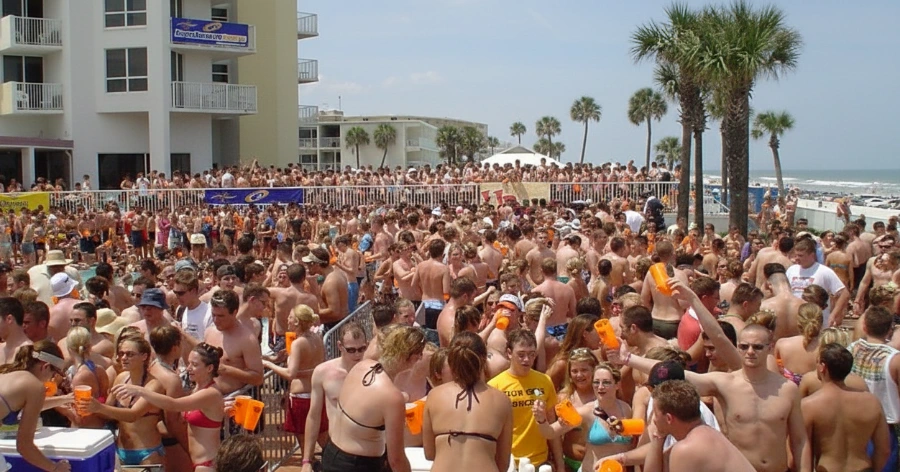
Spring break in Florida stretches across late February, March, and early April each year. During those weeks, coastal cities receive dense waves of visitors concentrated into a few entertainment districts. Young travelers often combine long road trips, heavy drinking, and little sleep with unfamiliar environments. That combination consistently raises emergency risk for both tourists and residents. EMS leaders therefore treat spring break as a predictable but demanding seasonal operation.
State and local officials now intervene more aggressively than in past decades. The governor and statewide partners frame the season as a law-and-order test for Florida’s tourism image. Florida’s Highway Patrol deploys extra troopers and a quick response force to support beach communities. Seventeen agencies requested help, and more than one hundred forty troopers assisted spring break enforcement in 2024. Cities such as Miami Beach link those deployments to broader campaigns about acceptable visitor behavior.
What the Latest Numbers Say: Trends in Spring Break Risk
Crime, Violence, and Weapons
Spring break violence in Miami Beach illustrates the stakes for EMS providers. In 2023 the city endured repeated shootings during crowded weekends despite a large police presence. Two people died and authorities recorded hundreds of arrests linked to spring break activities. Officers also seized scores of firearms and shut down stretches of the entertainment district at night. Residents and business owners expressed frustration with both the chaos and the emergency closures.
City officials responded by tightening enforcement ahead of the 2024 and 2025 seasons. Miami Beach now deploys curfews, early beach closures, and checkpoints along Ocean Drive. The city also promotes a “Reality Check” campaign warning visitors about strict enforcement and possible arrests. Leaders describe the strategy as “breaking up” with unruly spring break culture rather than welcoming it. EMS crews still handle intoxication and trauma calls, yet they operate within a more controlled environment.
Panama City Beach shows another version of the same pressure. Law enforcement there documented shootings and disorderly behavior during recent spring break periods and high profile incidents in 2015 and 2025. Local leaders now emphasize family-oriented tourism supported by March alcohol bans and tougher curfews. National coverage notes that officials openly tell college travelers to choose different destinations. EMS agencies in the Panhandle therefore prepare for both traditional holiday injuries and lingering crowd-related violence.
Substance Use, Fentanyl, and Overdose Patterns
Florida’s overdose landscape already challenges public safety before spring break begins. Synthetic opioids like fentanyl drive most fatal drug poisonings across the state. National and federal data show that many counterfeit pills now contain potentially lethal doses of fentanyl. Users who believe they purchased benzodiazepines, painkillers, or party stimulants often encounter much stronger products. EMS crews consequently meet opioid overdoses in settings that historically involved only alcohol or cocaine.
One high profile incident near Fort Lauderdale highlighted that shift during spring break. In March 2022 seven college students overdosed at a rental home in Wilton Manors. Investigators later confirmed that cocaine at the party contained significant amounts of fentanyl. Several patients collapsed in the yard, and some went into cardiac arrest before transport. That cluster demonstrated how quickly a single adulterated batch can turn a social gathering into a medical emergency.
Harm reduction organizations in Broward County now build spring break outreach around those lessons. A mobile unit known as The SPOT parks near busy beaches and entertainment corridors. Staff distribute naloxone, testing supplies, and education about overdose risks to residents and visitors. They also teach simple recognition steps for opioid overdose and encourage immediate calls to emergency services. EMS agencies benefit indirectly because bystanders sometimes reverse early respiratory depression before responders arrive.
Alcohol, Falls, and Roadway Trauma
Research on college travel periods shows that students often drink more heavily during these trips than during normal weekends. Many report multiple days of binge drinking, frequent blackouts, and routine vomiting. Heavy alcohol use contributes to falls, assaults, risky driving, and drownings in crowded coastal communities. EMS crews therefore expect long stretches of alcohol-related calls each spring.
Traffic research adds another layer of concern for Florida hot spots. A University of Miami study examined fourteen popular spring break counties across several states. The authors found that weekly traffic fatalities in those counties increased by about nine percent during the season. Most additional deaths involved out-of-state drivers and drivers younger than twenty five years old. Non-tourist counties in the same states did not experience a comparable spike during those weeks. Those findings support what many crews already feel on highways leading into beach towns.
Physical falls from balconies, stairs, and parking structures remain another recurring hazard. Emergency reports from Florida incidents describe balcony falls in Panama City Beach and Daytona Beach. Intoxicated visitors sometimes climb railings, sit on ledges, or lean over parking structure barriers. A misstep in those situations can produce severe head trauma, spinal injury, or fatal blunt force impact. EMS providers who respond to these calls must navigate crowded properties and emotional friends while stabilizing patients.
Researchers often summarize spring break traffic risk using a few core indicators. Study authors emphasize how fatalities change when visitors flood resort counties. The chart below condenses key findings from a University of Miami analysis of fourteen destinations. Readers can use this snapshot as a quick reference when planning EMS coverage along busy corridors.
| Metric | Finding | Study details |
|---|---|---|
| Change in weekly fatalities | About 9.1 percent higher in spring break counties | University of Miami analysis of 14 U.S. counties |
| Driver residency | More deaths involved out of state motorists | Compared spring break periods with other weeks |
| Driver age | Higher share of fatalities among drivers under twenty five | Fatalities skewed toward college aged travelers |
| Geographic pattern | No similar spike in non tourist counties | Suggests travel and tourism drive the difference |
Heat, Dehydration, Water Incidents, and Environmental Hazards
Florida’s climate turns many spring break weekends into extended heat exposure drills. Visitors spend long days on open sand with limited shade and high humidity. Alcohol and stimulant use worsen dehydration and blunt awareness of early heat illness. Crowded beaches also slow access to water, restrooms, and medical help when symptoms appear. EMS crews often treat clusters of fainting, vomiting, and confusion around midafternoon peak temperatures.
Coastal agencies respond with stronger lifeguard and marine coverage during spring break. Fort Lauderdale Fire Rescue, for example, announces extra lifeguard staffing, additional beach rescues, and Jet Skis offshore. Those units handle rip current rescues, shallow water impacts, and distressed swimmers near piers or boats. Ocean rescue teams often start basic care in the surf zone, then hand patients to land crews. Strong coordination between dispatch, police, and EMS keeps scene times reasonable despite congestion.
Environmental hazards sometimes intersect with tourist seasons in surprising ways. In recent years large brush fires and smoke events have affected corridors leading to the Florida Keys. Traffic closures on the single main highway slowed access for residents, tourists, and emergency responders. Reduced visibility and smoky air also increased respiratory complaints in nearby communities. EMS planners in these regions therefore consider wildfire scenarios when preparing for spring break.
How Florida Agencies Actually Staff and Stage for Spring Break
Surge Staffing, Staging, and Special-Event Medical Plans
City governments and EMS leaders increasingly describe spring break as a planned operation. Rather than absorb calls with normal staffing, many jurisdictions schedule surge coverage for March. The state deploys additional troopers to Miami Beach, Daytona Beach, Panama City Beach, and other hot spots. Those deployments include quick response teams stationed in Bay, Volusia, Broward, and Miami Dade counties. Troopers handle traffic enforcement and crowd control so local officers and medics can focus on emergencies.
Local governments adapt their own enforcement and medical models inside dense coastal city limits. Miami Beach uses special event guidelines that require large concerts and festivals to submit emergency medical plans. The fire department can insist on air-conditioned tents or hardened spaces equipped as onsite treatment facilities. Those spaces allow EMS professionals to manage minor injuries, intoxication, and heat illness away from crowded sidewalks. Crews then reserve transport units for patients who clearly need hospital-level care.
Other coastal communities implement variants of the triage tent model. South Padre Island in Texas runs such a system, which provides a useful reference for Florida planners. The city reported success when it placed staffed medical tents near major party zones during peak years. Patients with minor issues received care close to the scene while ambulances concentrated on serious trauma. Florida jurisdictions study those examples when designing their own spring break layouts.
Working Within Curfews, Ordinances, and Traffic Control Plans
Lawmakers and city councils now write spring break rules directly into ordinances. Panama City Beach, for instance, bans alcohol on the sandy beach during March. Local regulations also restrict late-night alcohol sales and prohibit consumption in parking lots or vehicles. Those measures aim to reduce large unsupervised drinking gatherings near the shoreline. EMS crews consequently see some activity shift toward private rentals and licensed venues.
Miami Beach layers curfews and parking controls onto those types of restrictions. Officials warn visitors that city garages may charge higher rates or close early during peak weekends. Police set checkpoints on key access points and close portions of Ocean Drive to through traffic. Those decisions reduce vehicle crowding in pedestrian zones yet complicate ambulance routing. EMS supervisors therefore collaborate closely with traffic control teams before the season begins.
High-impact period ordinances also support curfews and youth restrictions. Bay County leaders recently adopted such rules to address underage drinking and violence in Panama City Beach. The ordinance gives law enforcement additional tools to disperse unruly gatherings and enforce juvenile curfews. EMS leaders welcome predictable enforcement zones yet recognize that displaced crowds may move into new neighborhoods. Continual communication between dispatch, field units, and command posts helps track those shifts.
Integrating Harm-Reduction and Community Partners
Spring break operations now involve more than government agencies coordinating patrols and medical coverage. Harm reduction groups, campus health services, and community volunteers also shape safety outcomes. In Broward County, The SPOT mobile unit offers syringe services, basic care, and overdose prevention education. Staff distribute naloxone, test supplies, and informational materials around the beaches and nightlife corridors. They encourage visitors to watch for signs of overdose and to call emergency services without delay.
Public information offices and tourism bureaus reinforce those messages through coordinated campaigns. Cities share infographics about hydration, rip currents, and consent on social media platforms popular with students. Law enforcement and EMS agencies participate in joint press conferences before the season. These events demonstrate unity between public safety organizations and harm reduction partners. The combined messaging aims to shift culture away from the idea of consequence-free partying.
Campus based organizations add another layer of preparation through briefings, campaigns, and practical safety resources. Many colleges now brief students on overdose risk, Good Samaritan protections, and safe rides before they travel. Some distribute naloxone on campus or partner with national groups that supply free kits. EMS leaders who engage with those programs can share frontline stories that resonate with students. That collaboration turns abstract statistics into practical advice that shapes behavior on Florida beaches.
Clinical Priorities for Spring Break in Florida
Overdose Recognition and Management in a Fentanyl Era
The current drug supply forces EMS crews to treat overdose suspicion as a core spring break priority. Patients may present with deeply depressed respirations, pinpoint pupils, and cyanosis after using cocaine or counterfeit pills. Friends often appear shocked because they never intended to purchase opioids. Crews must look past those assurances and trust clinical findings instead. Rapid recognition and decisive action save lives before cardiac arrest occurs.
Protocols that support prompt naloxone use play a central role here. Many Florida agencies authorize intranasal formulations that bystanders or police can administer before medics arrive. Crews then follow with additional doses and airway management as needed. Mixed stimulant and opioid presentations demand careful monitoring for recurrent respiratory depression after initial reversal. Teams also watch closely for agitation, vomiting, or recurrent hypoxia during the recovery phase.
Scene safety and contamination concerns deserve attention during multi-patient overdoses. Responders should avoid direct contact with unknown powders or pills while they treat patients. Clear communication among fire, EMS, and law enforcement prevents unnecessary exposure or confusion. After stabilization, medics document substance descriptions and circumstances for public health partners. That information helps analysts spot dangerous batches circulating among visitors.
Managing Severe Intoxication, Trauma, and Combative Patients
Severe alcohol intoxication complicates nearly every aspect of EMS work during spring break. Patients may swing between lethargy and aggression within a single contact. Some resist care, pull away from cervical collars, or attempt to walk despite serious injury. Others appear deeply unresponsive and risk airway compromise with each attempt to vomit. Crews need practiced strategies for both extremes of violent agitation and profound unresponsiveness.
Field assessment must balance speed with thoroughness because intoxication can mask serious traumatic injuries. Providers check for head wounds, spinal tenderness, and deformities that intoxicated patients may not notice. They also evaluate blood glucose, temperature, and signs of other drug involvement. A seemingly simple “drunk person down” call can conceal intracranial bleeding or internal trauma. Medics therefore maintain a low threshold for immobilization and transport when mechanisms concern them.
Combative behavior adds immediate safety challenges for crews, bystanders, and the patient experiencing intoxication. EMS agencies work with law enforcement to develop joint protocols for physical and chemical restraint. Those procedures emphasize minimal force consistent with patient and provider safety. Crews monitor circulation, breathing, and level of consciousness continuously after restraint. Documentation of behavior, interventions, and medical justification protects both patients and practitioners.
Heat Illness, Dehydration, and Cardiac Risk
Heat illness and dehydration often develop gradually across long days on the beach. Students who spend hours in the sun while drinking alcohol may not recognize early symptoms. Mild dizziness and headache can quickly progress to confusion and collapse. High humidity and poor access to shade slow evaporative cooling and intensify stress on the body. EMS calls therefore rise sharply during midafternoon hours when heat peaks.
Providers assess mental status, skin temperature, and vital signs carefully in these patients. Hot dry skin, altered behavior, and tachycardia raise concern for heat stroke. Crews begin active cooling with ice packs, fans, or cool water where protocols allow. Intravenous fluids support circulation when patients show signs of significant dehydration. Early intervention improves outcomes significantly when medics cool patients and restore circulating volume promptly.
Stimulant use and heavy exertion add cardiac risk even among young adults. Medics may encounter chest pain, palpitations, or exertional collapse on crowded shorelines. Electrocardiograms and continuous monitoring help identify arrhythmias or ischemic changes. Crews treat these presentations seriously and coordinate timely transport to facilities with appropriate resources. Education efforts that encourage pacing, hydration, and rest also help reduce incidents.
Water-Related Injuries and Near-Drownings
Surf zones and waterways host many of the season’s most dramatic emergencies. Strong rip currents along Florida’s Atlantic and Gulf coasts pull swimmers away from shore quickly. Alcohol and fatigue increase the likelihood that visitors misjudge their abilities. Collisions with boats, jet skis, or other swimmers add additional risk. Lifeguards and ocean rescue units therefore remain essential partners for EMS crews.
Rescues often start with lifeguard interventions and continue with paramedic care on the sand. Teams perform spinal motion restriction when they suspect cervical injuries from shallow dives. They also manage hypoxia, aspiration, and hypothermia in near drowning patients. Coordination around equipment placement, patient packaging, and transport routes reduces delays. Preseason drills between lifeguards and EMS units sharpen those skills.
Delayed complications sometimes bring patients into the system hours after initial submersion. Someone who aspirated water earlier may later develop cough, chest tightness, or shortness of breath. Providers should ask specifically about recent swimming or water sports when they evaluate such complaints. Early recognition of secondary drowning patterns allows timely treatment and observation.
Multi-Patient Incidents and Crowd Dynamics
Spring break generates clusters of patients from single addresses or blocks with regularity. Overdose events in rentals, fights outside clubs, and balcony collapses all create multi-patient scenes. These situations concentrate bystanders, police, and media in tight spaces. Noise and constant crowd movement make radio and face to face communication difficult. Clear incident command structures matter greatly during these scenes because confusion wastes precious treatment minutes.
EMS supervisors assign roles quickly when they arrive at such scenes. One person manages triage and patient flow while others focus on treatment. Another medic may handle radio contact with dispatch and receiving hospitals. Crews mark patients visibly so hospital staff can understand severity on arrival. That structure helps maintain order when emotions and adrenaline run high.
After major multi-patient events, agencies benefit from structured debriefings. Participants review specific incidents, communication breakdowns, resource issues, and notable successes during those structured meetings. Insights from those conversations shape future training and resource allocation. Over time, repeated learning loops make spring break operations more resilient and less chaotic.
Florida-Specific Regional Profiles and Planning Nuances
South Florida Urban Beaches: Miami Beach and Fort Lauderdale
South Florida’s urban beaches combine high-rise density with intense nightlife. Miami Beach’s Ocean Drive and surrounding streets host clubs, hotels, and short-term rentals. Fort Lauderdale’s beachfront corridor attracts a blend of college travelers and families. Both cities rely on narrow barrier islands connected by a limited number of bridges. Traffic jams and roadblocks therefore quickly affect EMS response times.
Planners in these areas study building layouts and access routes long before March. Crews learn which hotels offer service elevators suitable for stretchers. Dispatchers track calls by floor and tower to reduce confusion when multiple properties share addresses. Bike or golf cart units sometimes move faster than ambulances within entertainment districts. Those teams provide first contact and relay patient condition to incoming transport units.
Panhandle and North Gulf Coast: Panama City Beach and Destin
The Panhandle’s character differs from South Florida but carries equal complexity. Panama City Beach and Destin rely heavily on rental houses, condominiums, and extended family vacations. College crowds still arrive, although local leaders now discourage the most chaotic party culture. Law enforcement agencies adopt zero-tolerance stances toward underage drinking and weapons. Public statements from police chiefs emphasize community safety over tourism volume.
EMS providers here navigate long stretches of coastal highway and sprawling residential developments. Gate codes, private roads, and large resort complexes can delay access when information is incomplete. Agencies encourage callers to provide landmarks, building names, and unit numbers during emergencies. Crews also plan rendezvous points near beach access paths where stretchers can reach patients efficiently. Coordination with lifeguards and security staff proves essential for quick access.
East Coast Party Strips: Daytona Beach and Surroundings
Daytona Beach and nearby towns feature drive-on beaches that create unique hazards. Vehicles share soft sand with sunbathers, surfers, beach walkers, and distracted spectators carrying coolers and chairs. Crowded conditions increase the likelihood of low-speed but serious collisions. Many events also draw motorcycles and performance vehicles into the region. The combination of speed, limited visibility, and alcohol demands vigilant enforcement.
EMS teams prepare for trauma centered around vehicles and pedestrian interactions. Calls may involve victims pinned under cars, struck in parking lots, or injured on ramps. Crews must move quickly yet safely in areas where other drivers remain distracted. Partnerships with beach patrol and traffic officers help secure safe working zones. Education campaigns remind visitors that vehicles on sand still require full attention.
The Keys and Remote Coastal Zones
The Florida Keys present a different challenge entirely because geography limits evacuation routes and options. A single highway links island communities to mainland hospitals, so any closure quickly disrupts emergency transport. During spring break the road carries additional visitor traffic and rental vehicles. EMS agencies therefore plan around potential bottlenecks by prepositioning units and clarifying helicopter activation criteria. Remote stretches of coastline also demand careful resource placement to avoid excessive response and transport times.
Remote stretches of coastline also demand careful resource placement to avoid excessive response and transport times. Ambulances stationed too far from busy marinas or popular sandbars may face long response times. Air medical support and marine units often fill those gaps when weather allows. Protocols in these regions detail when crews should request helicopters or boats early. Coordination with law enforcement ensures safe landing zones and docking points.
Building a Spring Break Readiness Plan for Florida EMS
Six to Twelve Months Out: Strategic Planning
Effective spring break readiness starts long before the first plane lands. EMS leaders review call data from previous seasons to identify trends and hotspots. They analyze response times, clinical outcomes, and staff feedback from after-action reports. Meetings with law enforcement, fire departments, and city planners clarify upcoming ordinances and event schedules. That information shapes staffing models, mutual aid arrangements, and budget requests for specialized equipment.
Medical directors use this window to update protocols based on current evidence. They incorporate lessons from recent overdose clusters, traffic studies, and heat-related incidents. Training officers design curricula that emphasize likely spring break scenarios. Recruitment teams explore temporary staffing options, overtime plans, and mutual aid agreements. Early decisions in these areas prevent last-minute scrambling when crowds arrive.
Thirty to Sixty Days Out: Tactics and Training
The final two months before spring break focus on operational detail. Supervisors lock in shift schedules, unit postings, and backup coverage. Communications teams distribute maps that show street closures, staging zones, and special event footprints. Field crews receive briefings on any new ordinances or curfew rules. Agencies also verify equipment readiness, including beach-capable vehicles and extra medical supplies.
Targeted training intensifies during this period as agencies rehearse realistic, high-stress spring break scenarios. In-service sessions review overdose management, trauma resuscitation, and heat illness protocols. Scenario-based drills simulate multi-patient overdoses, balcony falls, and rip current rescues. Joint exercises with law enforcement and lifeguards test incident command and radio interoperability. Leaders refine operational plans based on performance during these rehearsals and feedback from frontline personnel.
In-Season Operations and After-Action Review
Once spring break begins, daily rhythm becomes crucial for keeping crews informed and resources balanced. Morning or evening briefings highlight emerging patterns, such as new drug trends or problem venues. Supervisors adjust unit placements in response to call clustering and real time feedback from field crews. Crews share observations about access challenges, crowd behavior, and resource gaps. Dispatch centers track real time data and coordinate mutual aid when necessary.
After major weekends, agencies hold focused debriefing sessions that capture fresh lessons from complex incidents. Participants review specific incidents, communication breakdowns, resource issues, and notable successes during those structured meetings. Data analysts compile dashboards that show call volume, response times, and clinical outcomes. Leadership teams then translate those insights into concrete changes for the following week. At the end of the season, a comprehensive after-action report documents key lessons for future years.
Key Takeaways for Florida EMS Leaders and Field Providers
Spring break in Florida concentrates preventable risk into specific corridors and weekends. EMS agencies that recognize this pattern can plan resources deliberately rather than react frantically. Evidence from traffic studies, overdose investigations, and enforcement campaigns offers concrete guidance for those plans. Leaders who understand those signals can anticipate call surges before they appear on dispatch screens. That mindset turns seasonal chaos into a series of manageable operational problems.
Key operational themes emerge repeatedly across Florida’s beach communities despite their different geographies and visitor profiles. Alcohol and synthetic opioids drive much of the clinical severity that medics encounter. Traffic and crowd management choices shape whether ambulances reach scenes quickly or sit trapped in gridlock. Partnerships with lifeguards, harm reduction teams, and campus health services extend the reach of small EMS systems. Agencies that invest in those relationships often report safer seasons for visitors and residents.
Why should EMS agencies focus so heavily on fentanyl during spring break?
Fentanyl appears in many counterfeit pills and stimulant powders that students view as low risk. EMS crews therefore encounter opioid overdoses in party settings where friends report only cocaine or tablets. That mismatch between expectation and reality explains why naloxone, airway skills, and rapid recognition matter so much. Crews who treat every unexplained collapse as a potential opioid emergency protect entire friend groups.
Do stricter curfews and alcohol bans actually change the EMS workload?
Curfews and bans rarely erase call volume completely, yet they reorganize where emergencies surface. Public spaces such as beaches and roads may calm, while problems shift into hotels, rentals, and smaller venues. EMS planners still need robust coverage, but they can stage resources away from the most restricted zones. Agencies that track these shifts across seasons refine their deployment maps with each passing year.
How can smaller EMS systems prepare if they lack large budgets or extra units?
Smaller agencies can still improve outcomes by sharpening protocols, relationships, and situational awareness. Leaders can map likely hotspots, prearrange mutual aid with neighboring departments, and prioritize training on overdose and heat illness. Crews can learn local shortcuts, beach access paths, and rendezvous points with lifeguards or police. Those low-cost steps often deliver meaningful gains when visitor numbers spike during spring break.

Jeromy VanderMeulen is a seasoned fire service leader with over two decades of experience in emergency response, training, and public safety management. He currently serves as Battalion Chief at the Lehigh Acres Fire Control & Rescue District and is CEO of the Ricky Rescue Training Academy, a premier provider of online and blended EMT and firefighter certification programs in Florida.
Jeromy holds multiple degrees from Edison State College and the Community College of the Air Force, and is pursuing his MBA at Barry University. He maintains top-tier certifications, including Fire Officer IV, Fire Instructor III, and Fire Inspector II, and has served as a subject matter expert for a court case. He is a member or the Florida Fire Chiefs Association.
Jeromy also contributes to state-level fire safety regulation and serves on several hiring and promotional boards.